The Eberspächer story
Eberspächer (Espar)
Diesel Heat, European Innovation, and Fleet Climate Control Excellence
From German Innovation to North American Fleet Solutions
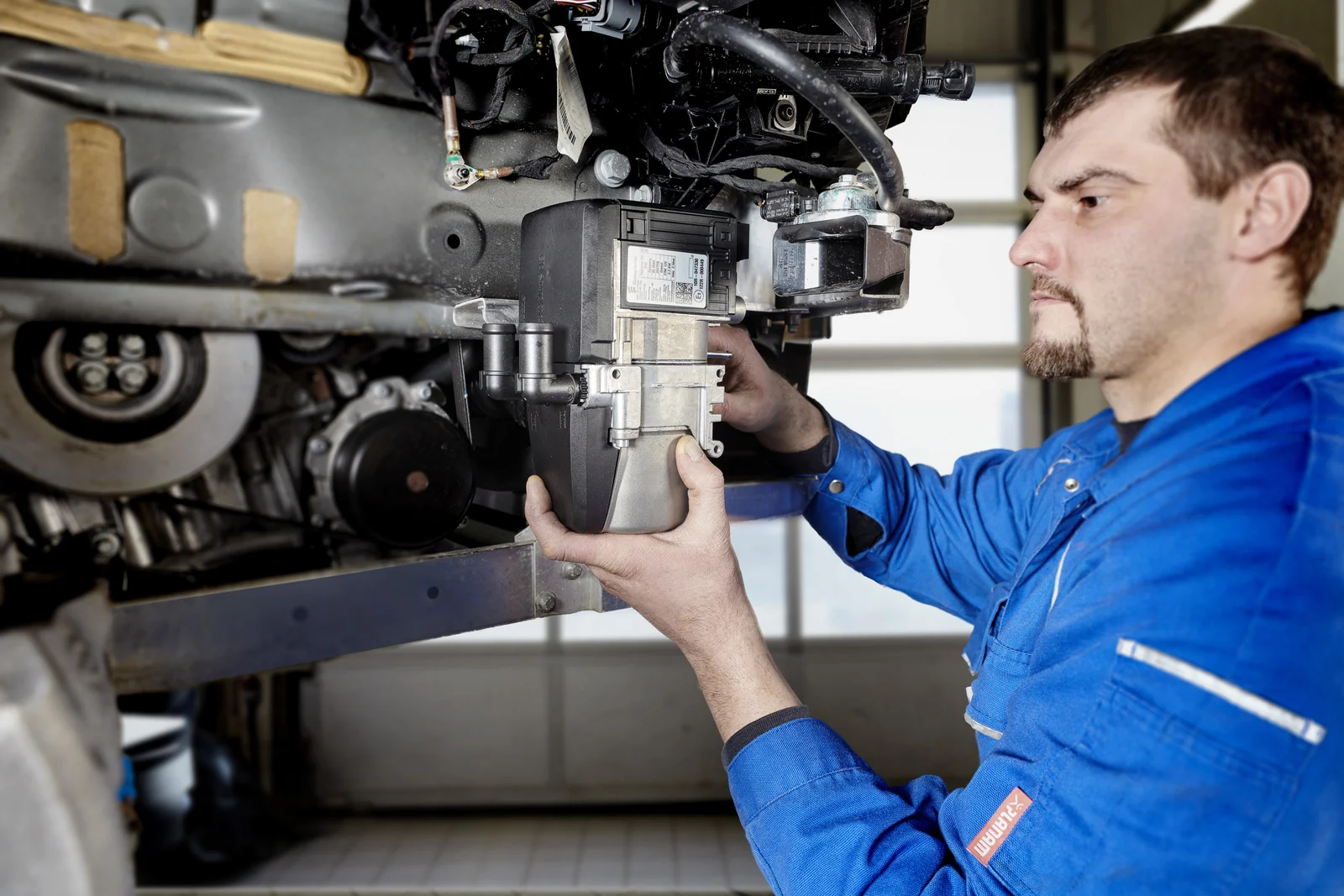
The Eberspächer story, known as Espar in North America, is a story of auxiliary heaters, fuel-fired cab comfort and cold-weather uptime. With more than 70 years of vehicle pre-heater production, its heating and climate systems serve trucks, buses, off-highway equipment and specialty vehicles.
Origins: Engineering Precision in the German Tradition
Eberspächer was founded in 1865 in Esslingen, Germany, beginning as a metalworking and manufacturing company before shifting its focus to the emerging world of automotive technology in the 20th century. By the 1930s, Eberspächer was building automotive exhaust systems, including work for Daimler-Benz, earning a reputation for engineering and manufacturing.
The Birth of Fuel-Operated Heaters
In the early 1950s, Eberspächer expanded its vehicle-heating work and began series production of pre-heaters in 1953. Fuel-operated heaters made it possible to provide heat independently of the vehicle's engine, helping drivers and fleets operate in harsh climates without relying on engine idling for warmth.
Arrival in North America: The Espar Brand
Eberspächer established its North American heater business under the Espar name in 1973. The Espar brand became known for diesel-fired heating that helps fleets operate through Canadian and U.S. winters with less engine idling. Over the decades, its applications expanded across sleeper cabs, work trucks, buses, military vehicles and cargo equipment.
Acquisition of Kalori and Global Climate Solutions
In 2018, Eberspächer acquired Kalori, a French company specializing in heating, ventilation and air conditioning for commercial and specialty vehicles. Kalori expanded the company's climate portfolio with components and systems for conventional, specialty and electric vehicles.
Innovation, Regulatory, and Environmental Focus
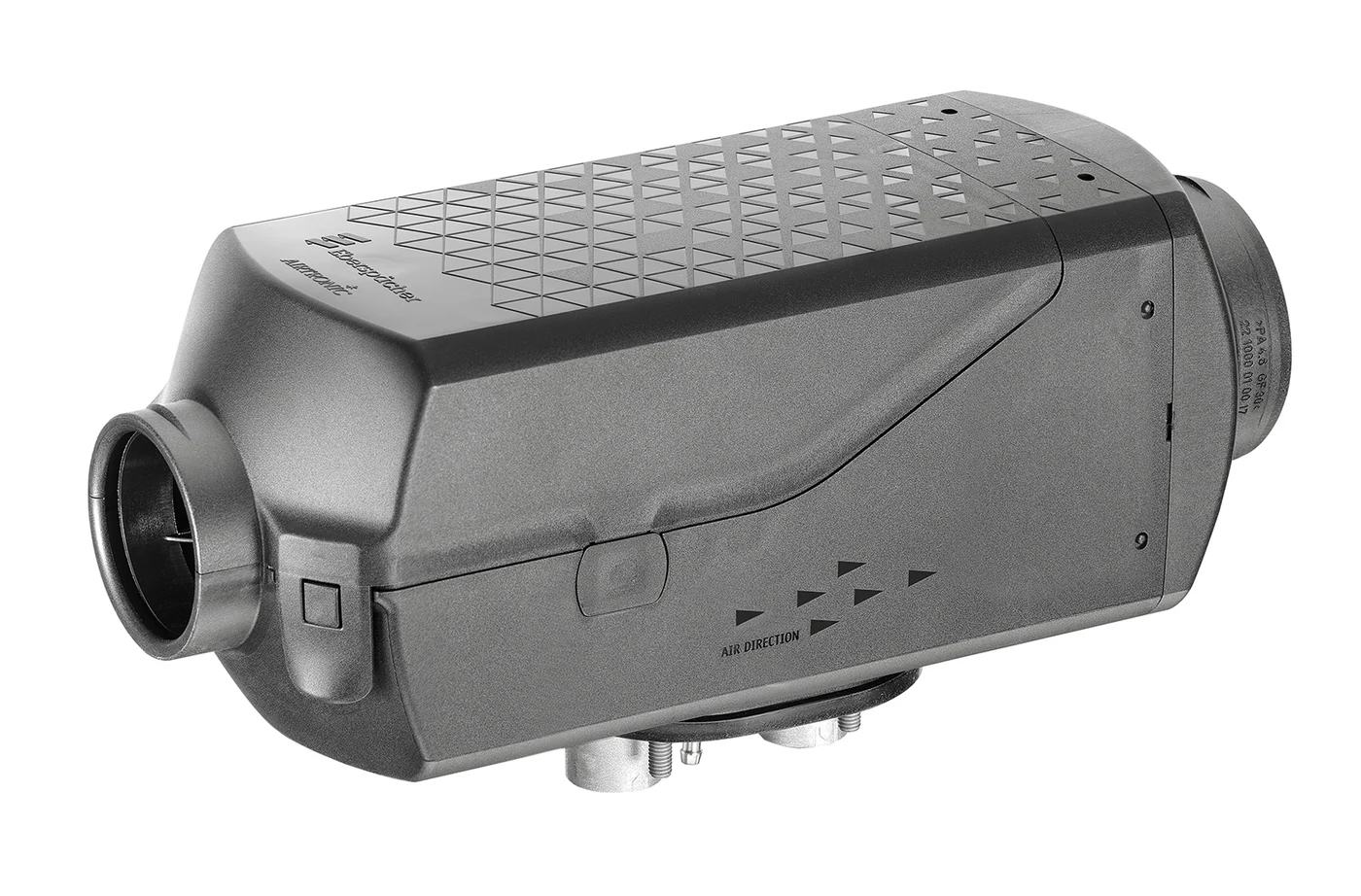
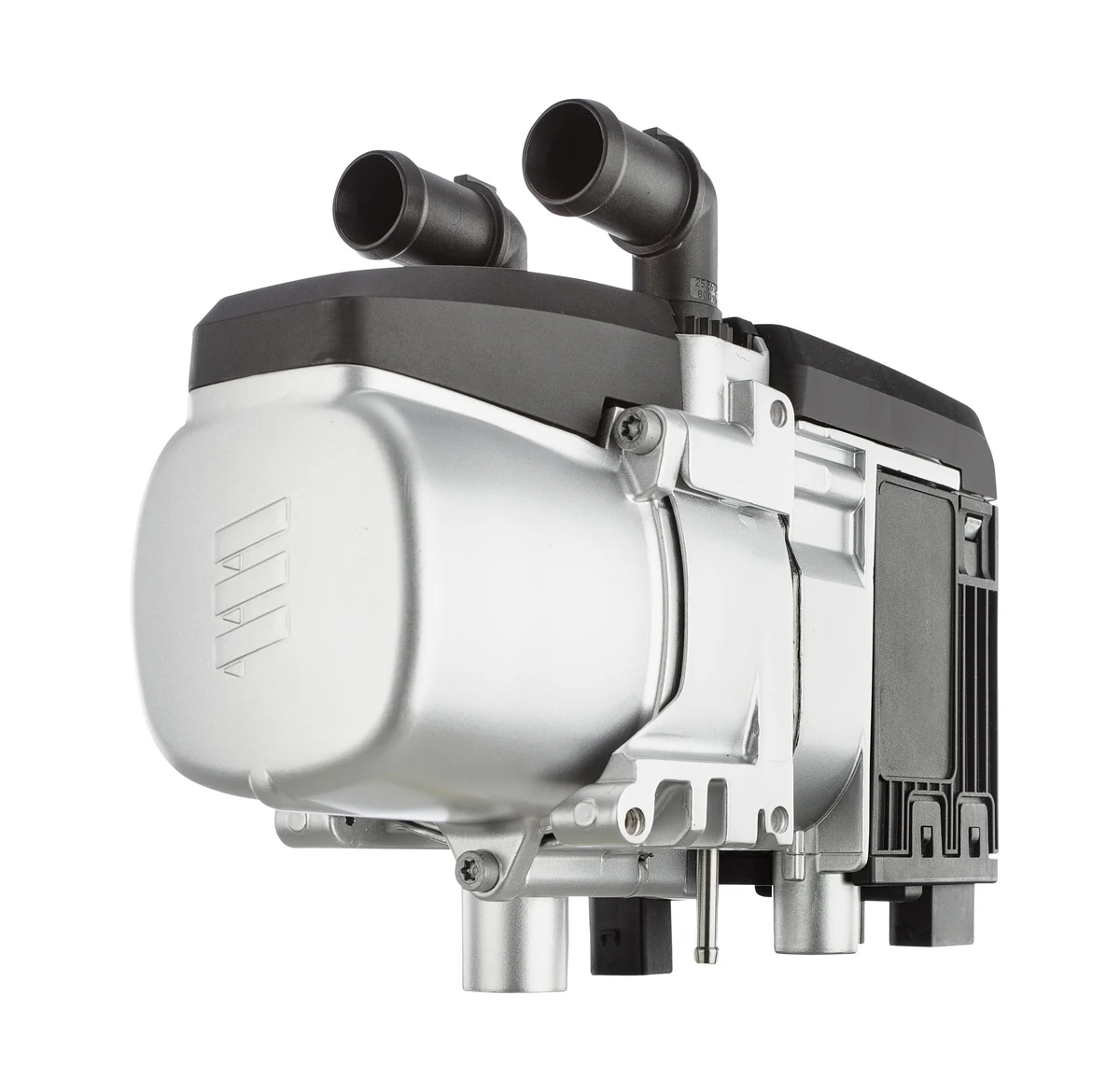
Espar heater lines have evolved in fuel efficiency, emissions and electronic controls. From Airtronic and Hydronic to compatible CAN-bus models, the portfolio supports original-equipment and retrofit applications. Fuel-operated auxiliary heat can reduce the need for engine idling. The California Air Resources Board has listed selected Espar models for idle reduction; approvals and operating requirements depend on the specific model and jurisdiction.
Competitive Landscape and Field Relevance
In the North American market, Espar competes with other established auxiliary-heater manufacturers, including Webasto. Its heaters have been offered for original-equipment and retrofit applications across truck platforms, including Freightliner, Kenworth and Volvo. A network of dealers and parts providers supports the equipment. For Transport Refrigeration, the Espar line is part of a broader commitment to helping customers select and support a solution that fits their vehicle and climate needs.
1865Eberspächer is founded in Esslingen, Germany.
1930sThe company enters the automotive sector, producing exhaust systems and developing vehicle heaters.
1953Series production of vehicle pre-heaters begins.
1973Espar Products is established in North America.
1980s–90sEberspächer expands internationally as Espar grows in North America.
2000sVehicle electronics and heater controls, including CAN-bus connectivity, expand.
2018Eberspächer acquires Kalori, expanding its specialty-vehicle climate solutions.
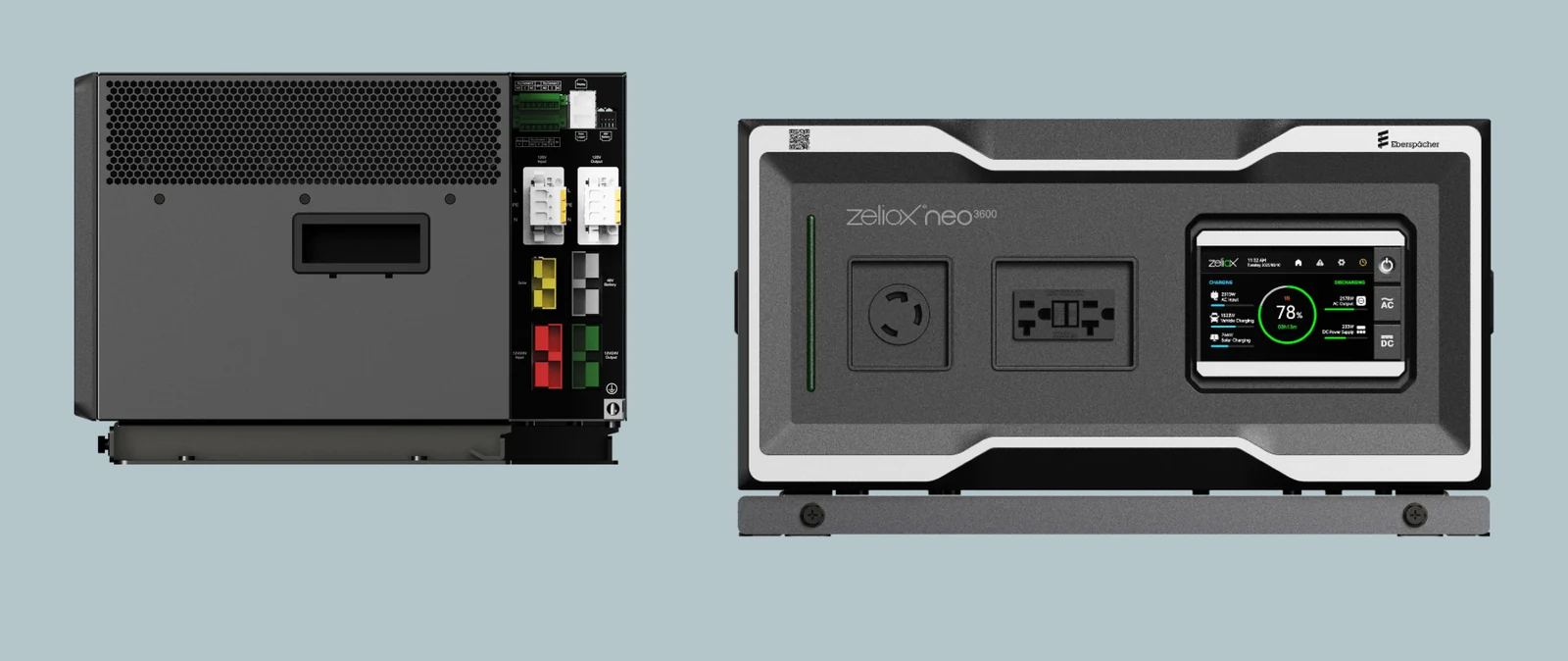
2020sThe portfolio grows across heating, air conditioning and mobile power solutions.